
Capabilities
Time synchronization
Holding distributed systems in step without depending on a satellite signal.
What it is
A distributed system does not fail because one node is wrong about the world. It fails because two nodes disagree about the moment. Grids, telecommunications backhaul and coordinated radios are all built on the assumption that every participant shares one clock, and today that clock almost always comes down from a satellite.
Putting a good enough chip-scale reference at each node removes the shared dependency. The engineering question is not whether atomic timing works — it does, and has for decades — but whether a reference that good can be made small, made repeatable, and qualified in the quantities a network needs. That is the work.
Example applications
- Grid synchronization
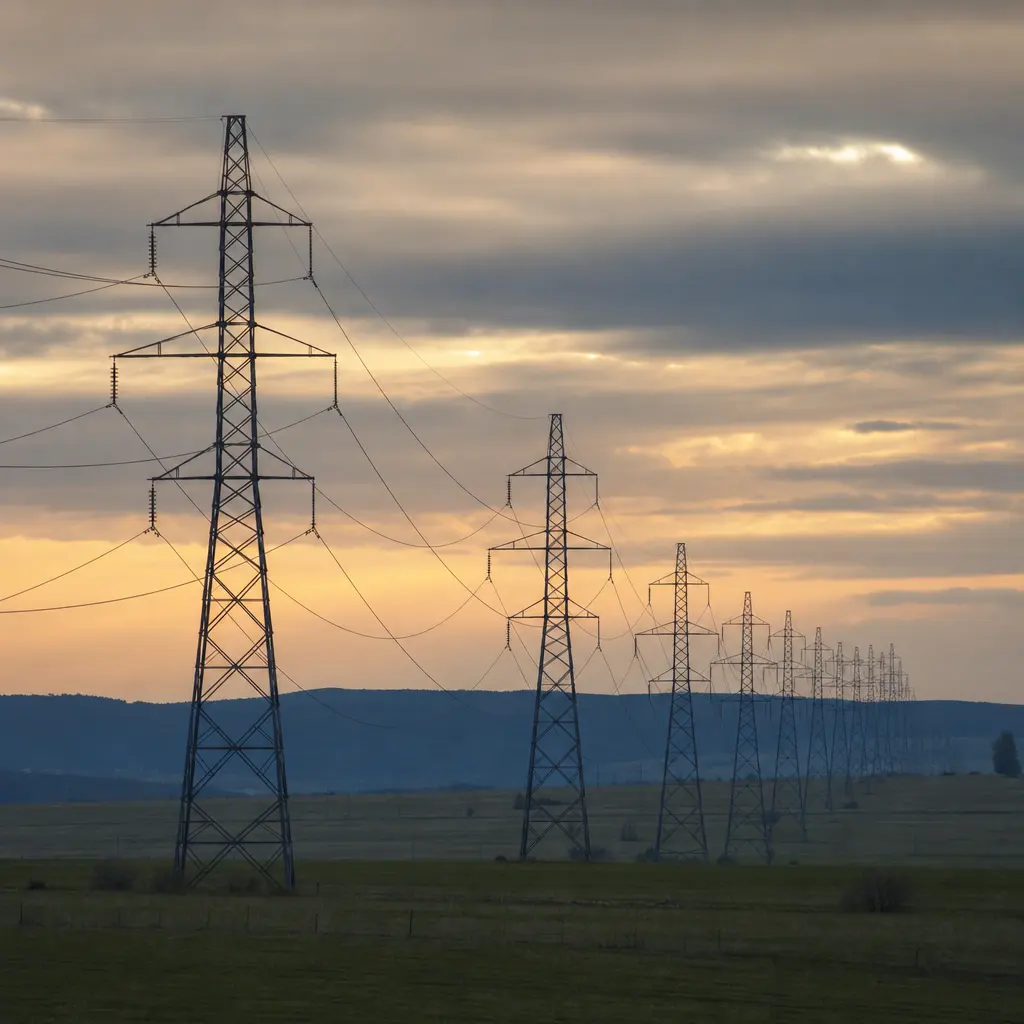
- Protection and measurement equipment across a transmission network can stay in agreement about the moment without every substation depending on the same overhead signal.
- Telecommunications
- Backhaul and radio access equipment hold their timing budget through an outage rather than sliding out of specification the moment the reference goes away.
Talk to us about Time synchronization
Tell us what the network is, how far apart the nodes sit, and what happens today when the reference goes away.