


Quantum sensing
A new generation of quantum sensors is changing how machines perceive the world.
From mobile devices to aircraft, Mesa Quantum builds the chip-scale sensors that let systems know where they are, what time it is, and what is around them — even when GPS is gone.
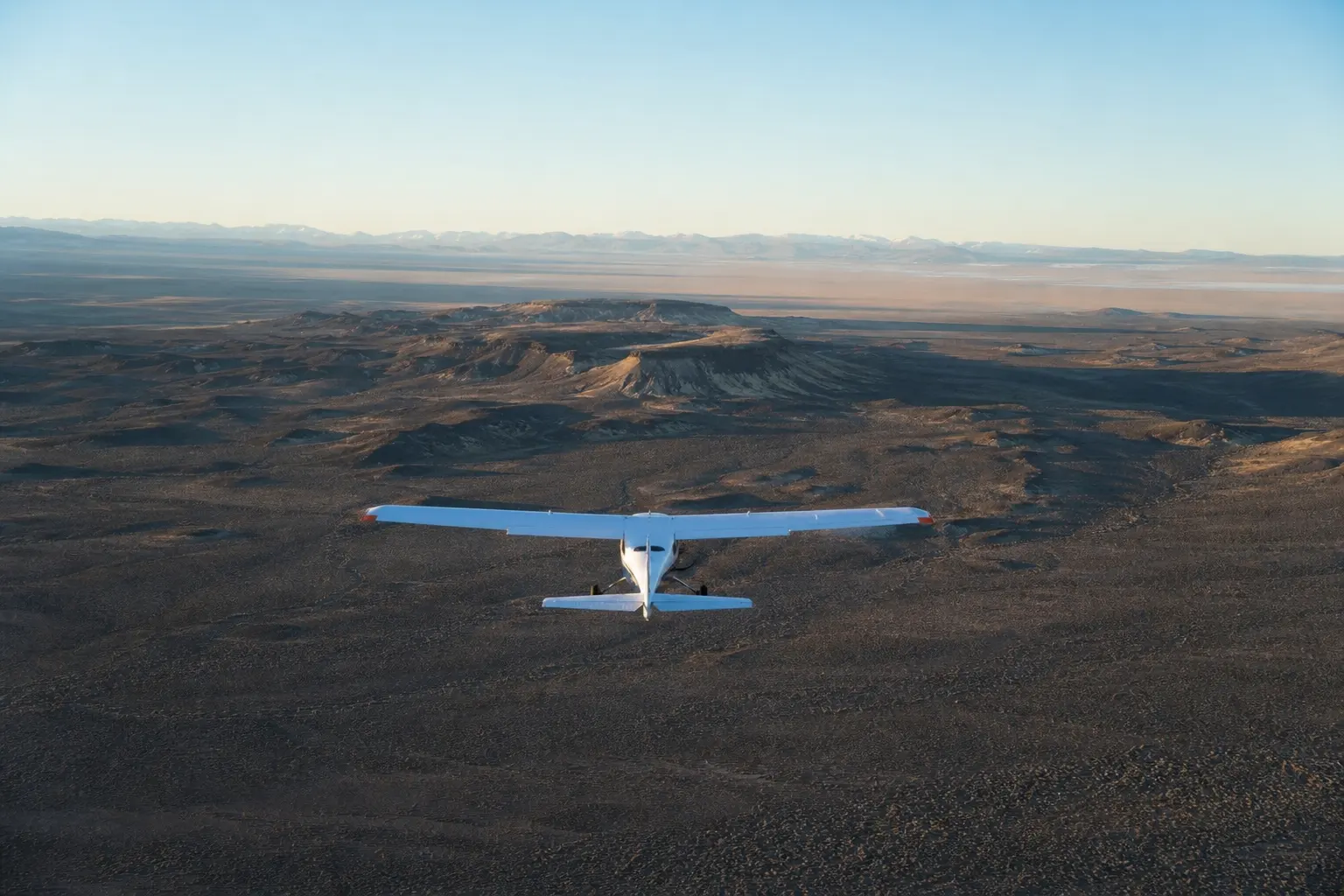
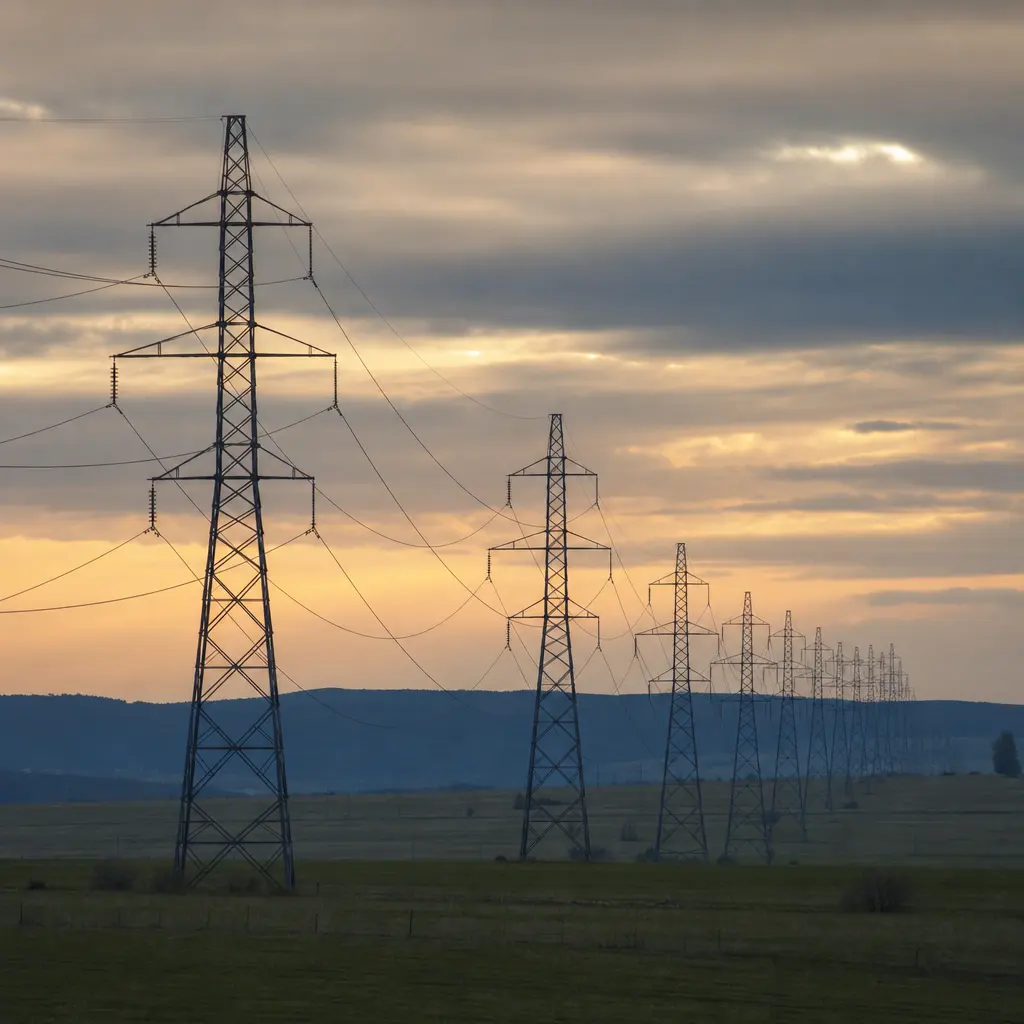
The images in this hero are three environments these sensors are built for: a survey aircraft flying a transect with no satellite fix, a ground convoy navigating at dusk without landmarks, and a data hall that has to hold time through an outage. The sampling lattice over them stays registered while the ground underneath changes — which is what a sensor grid does. All three are generated images of application domains. None of them shows Mesa Quantum hardware, sites or people.
Mesa is not just proving quantum sensors work. Mesa is making them buildable, deployable, and necessary.
Capabilities
What our sensors make possible
Each capability lists example applications — the specific systems it enables. Capabilities lead here; applications live inside them rather than in the navigation. The drawing on each card is of the measurement that capability makes, not an icon standing in for it.
Alt PNT
Positioning, navigation and timing that holds when the satellite signal is denied, degraded or spoofed.
Read the capabilityTime synchronization
Chip-scale timing accurate enough to hold networks and grids in step without a satellite overhead.
Read the capabilityGPS holdover
Timing that stays inside tolerance through an extended outage, long after the lock is gone.
Read the capabilityMag ISR
Passive magnetic sensing that finds what gives nothing away to a camera or a radar.
Read the capabilityMag NDT
Magnetic non-destructive testing that reads through a component wall instead of around it.
Read the capabilityRail monitoring
Inertial and gyroscopic sensing applied to track geometry, measured while the vehicle runs.
Read the capabilityIn the field
Where these sensors have to work
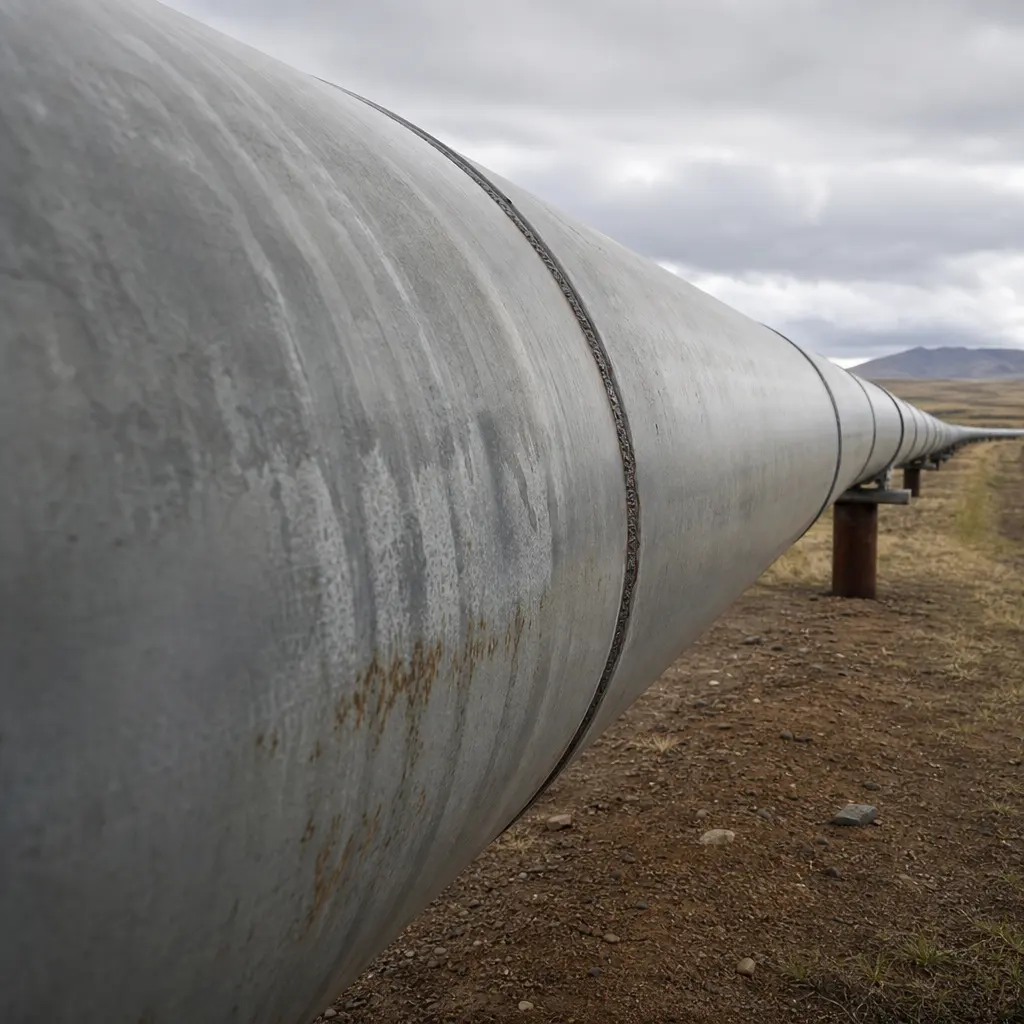
Not a laboratory. The places a quantum sensor earns its keep are the ones where the signal everybody else depends on is missing, jammed, or simply never arrives — open ground with no landmarks, a transmission network that has to stay in step, steel that cannot be opened to be inspected.

Core technology
One core technology under all six
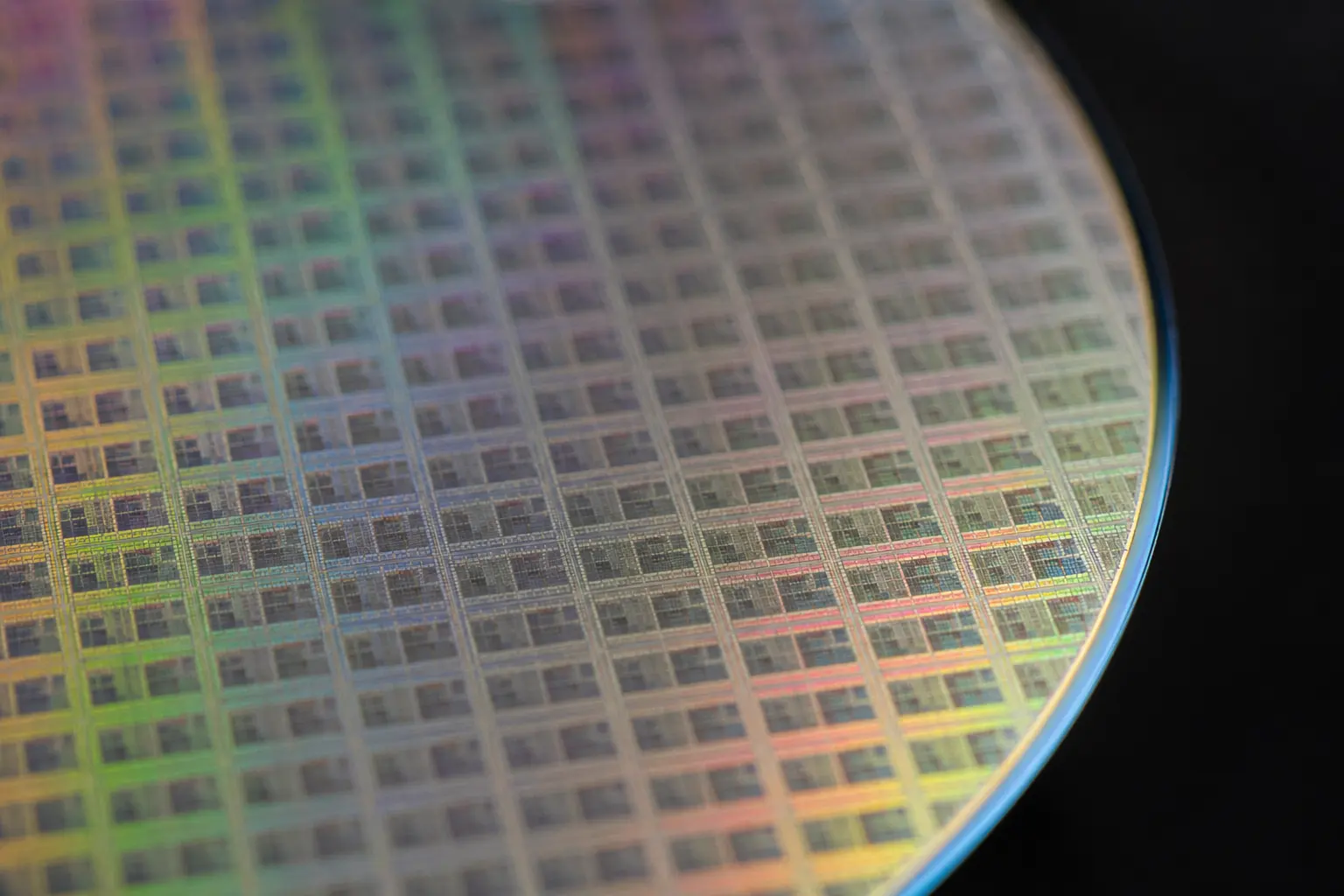
The vapor cell, the photonic integration and the qualification work are common to every capability above. What changes between them is the quantity being measured.
Mass adoption of quantum sensors was never blocked on the physics. It was blocked on making the part repeatably, characterizing it precisely enough to trust, and qualifying it at volume. Those are manufacturing problems, and they are the ones we solved for ourselves because there was nobody to buy them from.
Collaboration
Built alongside the institutions that define the field
National metrology institutes, university groups and manufacturing partners, on both sides of the Atlantic.
- NPL
- University of Cambridge
- Sandia / CINT
- CHTM · UNM
- CU Boulder
- NIST
- Elevate Quantum
- Roadrunner Quantum Lab