
Capabilities
Mag ISR
Magnetic intelligence, surveillance and reconnaissance — detecting what other sensors cannot see.
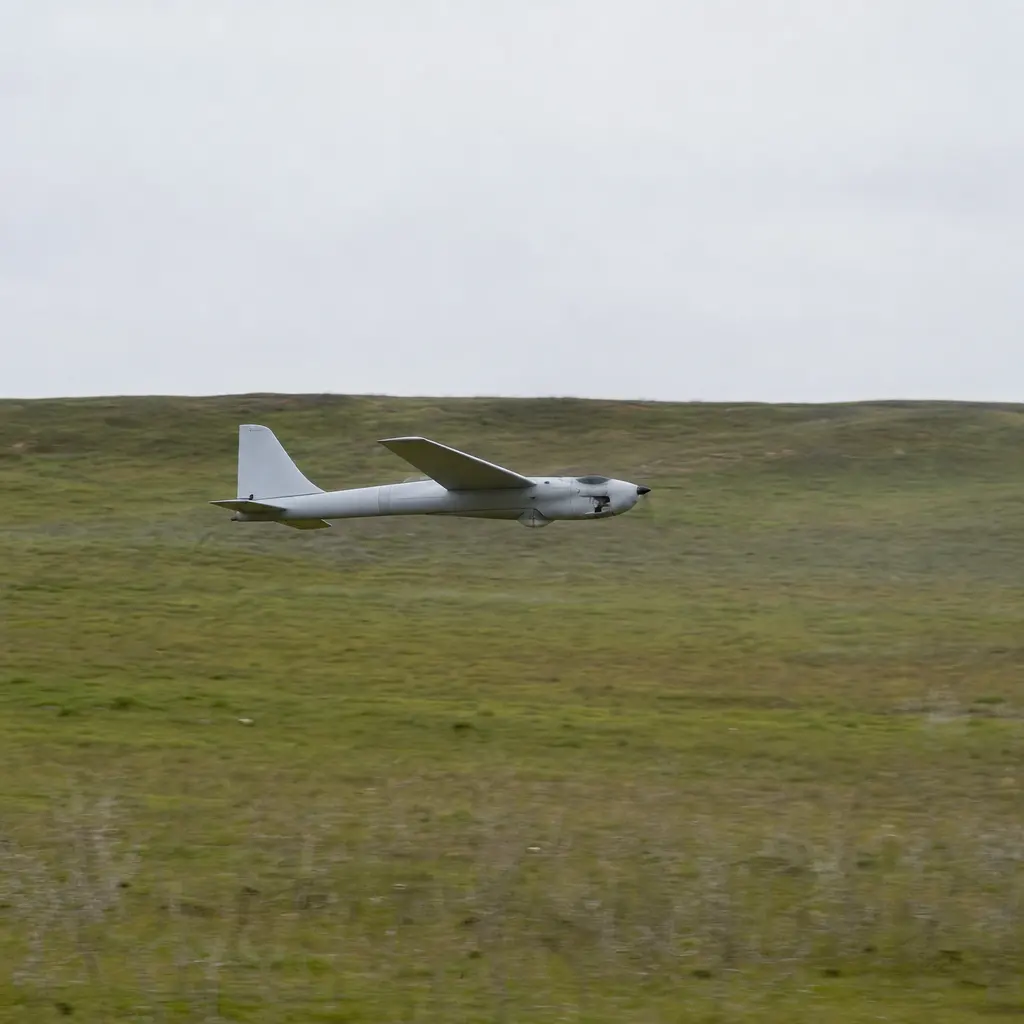
What it is
Everything made of metal, and everything carrying current, bends the magnetic field around it. A sensitive enough magnetometer turns that distortion into a detection — and it does so passively, because the field was already there. Nothing is transmitted, so nothing announces that a survey is taking place.
Sensitivity is only half of it. A magnetometer is useful in the field when it is small enough to carry, stable enough to trust between surveys, and repeatable enough that two units produce the same map of the same ground. Those are manufacturing properties rather than physics properties, and they are the ones we work on.
Example applications
- Defense
- Detection and characterization of buried, submerged or shielded objects that give away nothing to a camera or a radar, and mapping of areas where an active sensor would be the first thing noticed.
Talk to us about Mag ISR
Tell us what you are trying to find, what the ground or the structure is made of, and how the sensor has to travel.